Expertise · 04
Parotid Tumor & Salivary Gland Surgeon in Mumbai
Parotid and other salivary gland lumps may be benign or malignant. Examination, imaging and needle testing help clarify the diagnosis and the relationship of the tumour to nearby nerves and neck structures.
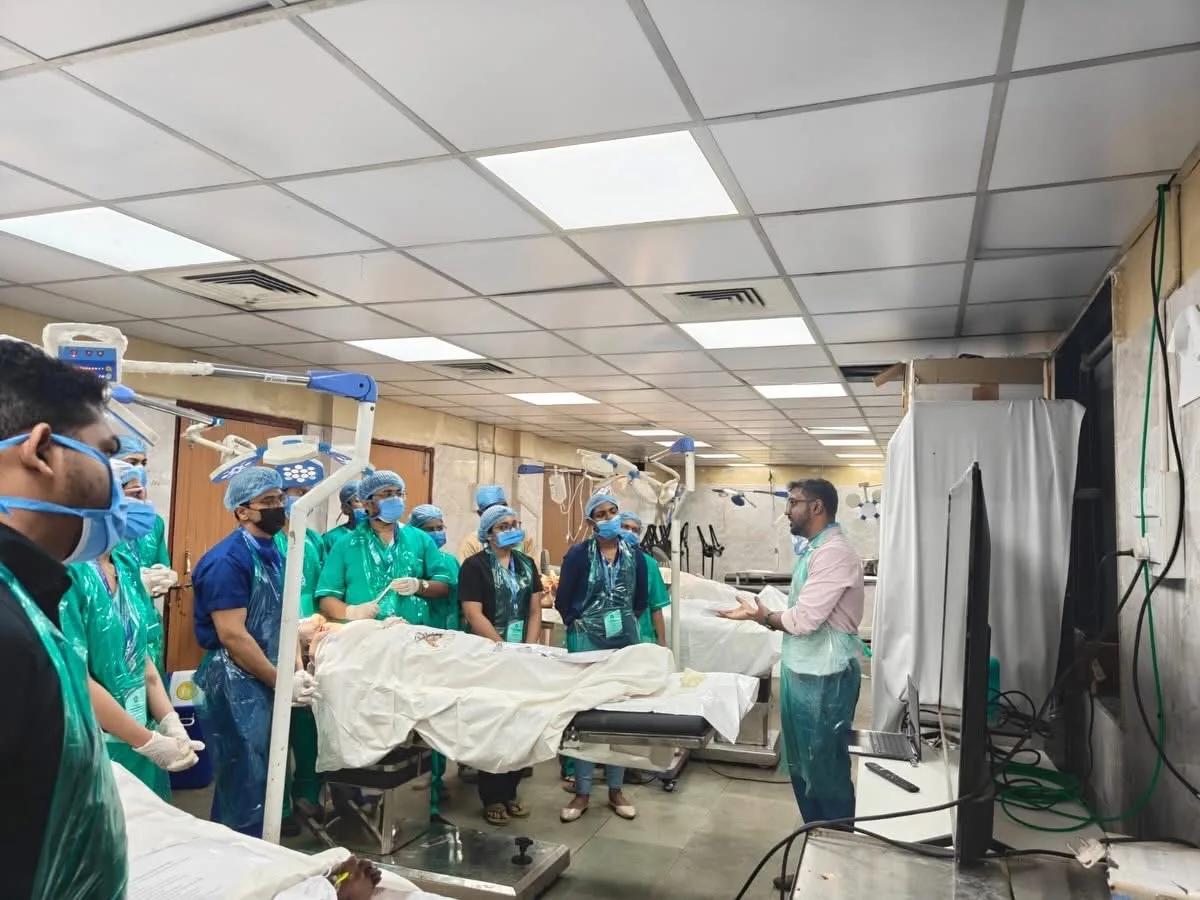
Specialist planning
Salivary Gland Tumours
Salivary gland lumps include both benign and malignant conditions. Surgery is planned after clinical, imaging and tissue assessment, with particular care around nearby nerves.
Areas reviewed
✓ Parotid gland tumours
✓ Submandibular gland tumours
✓ Minor salivary gland lesions
✓ Deep-lobe and recurrent disease
✓ Neck management for malignant tumours
How care is planned
01 · Focused clinical examination
02 · Imaging and needle-test review
03 · Facial-nerve conscious dissection
04 · Reconstruction when tissue removal is extensive
05 · Final pathology and surveillance planning
What patients should know
Understanding salivary gland tumours
01
When specialist salivary-gland review is relevant
A new or enlarging parotid, submandibular or salivary-gland lump, tissue diagnosis, facial movement change or proposed gland operation merits specialist review. Symptoms alone cannot determine whether a lump is benign or malignant.
02
Planning parotid and salivary surgery
The plan considers the gland involved, tumour location, deep-lobe extension, pathology and lymph-node findings. The extent of gland and neck surgery is tailored to those findings.
03
Facial nerve and reconstruction considerations
The facial nerve passes through the parotid gland, so its relationship to the tumour is a central planning consideration. Larger defects may also require reconstruction, depending on the tissue removed.
Frequently asked questions
Questions about salivary gland tumours
General information for patients and families. A consultation is needed for individual advice.
Are all parotid tumours cancerous?
No. Parotid tumours can be benign or malignant, and imaging plus tissue assessment helps distinguish the possibilities.
Why is the facial nerve discussed before parotid surgery?
The facial nerve travels through the parotid gland, so its position and relationship to the tumour are important to surgical planning.
What should I bring to a salivary-gland consultation?
Bring ultrasound or scan images and reports, needle-test or biopsy results, previous operation records and your current medicines.
Is neck surgery always required?
No. Neck management depends on the diagnosis, tumour features and lymph-node assessment.
Can I seek a second opinion before parotid surgery?
Yes. A review can examine the diagnosis, imaging and proposed operation before a decision is made.
Continue exploring
Related care and next steps
This page provides general patient education and does not replace examination, diagnosis or individual medical advice.